Featured
Table of Contents
There are 7 stages of sorrow in the mourning process. They consist of shock, rejection, rage, bargaining, anxiety, screening, and acceptance. This process helps people recover after experiencing loss. Signs and symptoms of despair typically solve after 12 years. If an individual has actually a liked one or good friend that is experiencing sorrow, they can assist them cope in different methods.
Furthermore, local and national support system might be an invaluable source of convenience and companionship to those who have experienced a loss. Continue reading to discover the stages of the mourning procedure, kinds of pain, exactly how to provide support, and more. Pain is an all-natural experience that assists an individual process the pain of loss and action toward healing.
Attachment Healing for Professionals Through Therapy in Sacramento
, Dr. Elisabeth Kubler-Ross established that there are five phases of pain: denialangerbargainingdepressionacceptanceHowever,, sorrow expert David Kressler has discussed additional stages of sorrow. Individuals frequently refer to seven phases of pain. They include the following: This stage may involve numbed disbelief in reaction to news of a loss. It might serve as a psychological barrier to protect against someone from really feeling bewildered.
Bargaining involves ideas such as "I will do anything if you remove the pain." This phase might come at any kind of point within the mourning process. Shame frequently accompanies it. At this phase, an individual may experience feelings of emptiness and extreme despair. They may additionally take out from day-to-day tasks and points they once enjoyed.

Testing is the process of searching for services that use a method of managing loss. A person might wander in and out of other mourning phases during this moment. This is the last of the mourning process. Acceptance does not indicate people feel OK about a loss. Instead, it implies they realize the loss is their brand-new fact.
Compartmentalization in High-Functioning Individuals
Symptoms of despair mostly solve after. In addition, instead than experiencing a stable decrease in despair, an individual's feelings often tend to fluctuate over time and come in waves.
It includes much of the exact same feelings someone experiences after a loss. Anticipatory sorrow is most likely in individuals with reliant relationships or limited social support."Regular" sorrow is a steady development toward approval. Although individuals experience tough feelings, they preserve the capacity to proceed everyday activities. They may have psychological distress, such as crying, low state of mind, and wishing.
Healing Success-Related Stress to Balanced Achievement
This is a pattern where signs and symptoms occur much behind is typical. This is a pattern where symptoms continue over a prolonged period. This is a pattern of incredibly intense symptoms. This is a kind of challenging pain that includes intense sorrow after one year have actually passed or 6 months for children and adolescents.
The Analysis and Statistical Handbook of Mental Illness, 5th version, message modification (DSM-5-TR) recognizes prolonged grief as an independent condition. Support system may provide convenience, friendship, and validation. They can likewise act as a source of practical details. An individual can locate groups in their community with recreation center, hospices, churches, and health centers.
If you recognize your emotions, take treatment of on your own, and look for support, you can heal. Everybody experiences pain in different ways. This utilized to be called "normal" despair. With this, your grief signs and symptoms are most intense for 6 months after a loss. However they reduce with time. In this kind of pain, you experience loss before it happens.
The Power of IFS in Understanding Success Orientation
Or maybe you're so hectic with functional matters that you don't have time to really feel grief up until a later factor in time. This is when you don't show any outside indicators of grieving. You might be working with complicated sensations inside. This happens when you're refining several losses at the same time.
Collective pain makes the mourning procedure longer and much more challenging. This type of pain takes place when you have prolonged problems after a loss, making that make it hard to move on with day-to-day life. It makes it hard to have any kind of positive memories of the liked one you lost. This sort of pain can influence you whatever age you are.
Understood as difficult despair, it's very comparable to traumatic despair. Your despair does not decrease over time.
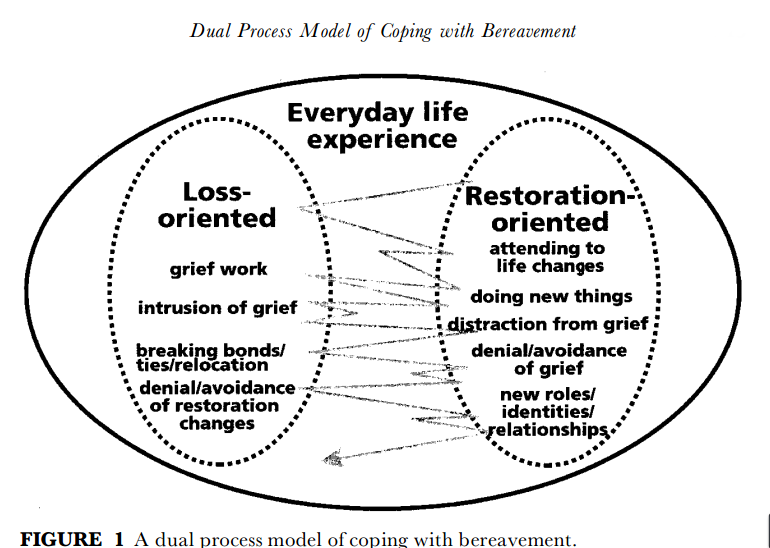
Pain is the experience of handling loss. It's related to the death of a loved one, yet you can really feel pain due to the fact that of any type of modification that tests your identity or life regimens. You might regret: The death of your close friend, relative, companion, or pet dog. Completion of your marriage or a friendship.
Compassionately Addressing Manager Parts in PTSD & Trauma Professionals
Loss of your health. Loss of the life you had before a handicap or health problem. Your own loss of life as you prepare for death.
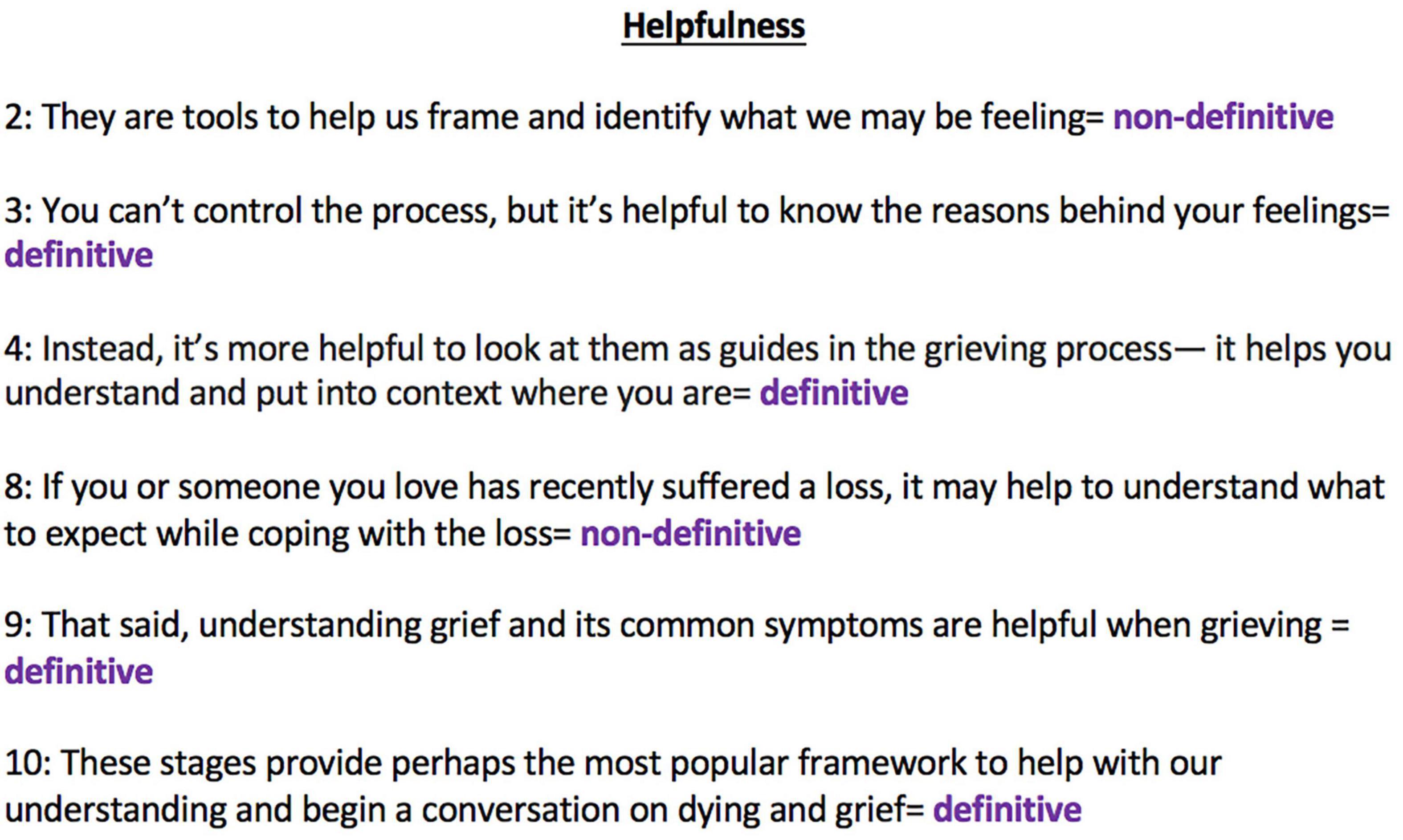
Ideas such as "so" and "what happens if" are typical at this stage. You may also try to strike a bargain with a greater power. Despair collections in as you begin to recognize the loss and its result on your life. Signs of depression consist of crying, sleep issues, and a lowered cravings.
You also might have clashing or puzzling feelings, such as: Feeling depressing that a loved one passed away, but additionally a feeling of relief that they're not hurting. Missing your partner after divorce, however also really feeling happy concerning a brand-new beginning. Having sense of guilt for being glad, as you no longer have to look after a dying enjoyed one.

Table of Contents
Latest Posts
Seeking ADHD Diagnosis
Achievement-Related Depression Behind the Mask of Professional Excellence
Lasting Outcomes with Eye Movement Desensitization and Reprocessing with Accelerated Resolution Therapy
More
Latest Posts
Seeking ADHD Diagnosis
Achievement-Related Depression Behind the Mask of Professional Excellence
Lasting Outcomes with Eye Movement Desensitization and Reprocessing with Accelerated Resolution Therapy